Flow State Coaching
One-to-one coaching for steadier focus under pressure, built on breath, body and how flow actually works.


When you're capable but rarely fully focused
You're good at what you do. But most days you're split: half on the task, half on the inbox, the next meeting, the thing someone said yesterday. You get through it. It just takes more effort than it should, and the work you care about gets squeezed into whatever's left. You know the other state too. The afternoon where an hour went by and you didn't check your phone once. The conversation where you weren't rehearsing your next line. The run, the gig or the piece of writing where you were simply doing it. People call that flow. The voice in your head goes quiet, time feels different, the effort drops away and you take in more than usual. Flow isn't pure luck. It tends to follow a cycle, and it shows up more often when certain conditions are in place. Pushing harder usually gets in the way. What helps is learning where you are in that cycle, what pulls your attention away, and what your breath and body do under pressure. That's practical, learnable stuff, and it's what this coaching is about. Not a hack, and not a promise that you'll be "in the zone" all day.

How flow state coaching with me works
This is one-to-one coaching built around your real work, whether that's leading a team, making things, training for something or running a business. It draws on the flow cycle I learned on Zero to Dangerous with the Flow Research Collective. Flow tends to come in four stages. Struggle. You load up on the problem. It feels hard and a bit frustrating, and it's where most people give up. Release. You step away on purpose. A walk, some slow breathing, gentle stretching. Your mind keeps working on the problem in the background. Flow. You come back and it moves. Your attention locks on and the work comes more easily. Recovery. You rest and refill. Without it, the next round tends to be harder. My part is the body. Breath is the most direct tool I know for moving through those stages. Slower breathing with a long exhale to let go and to recover. Noticing your jaw, chest and shoulders, so you can tell when pressure has tipped from useful to too much. Learning that nerves and excitement feel almost the same in the body, and using that before a big moment. There's no grand system. You work out what helps you, specifically, and build a few habits that fit your life.

What a flow state coaching session actually looks like
Here's how a typical session runs. Looking back. What's happened since last time. Where you got absorbed, where you lost the thread, and which stage of the cycle you were in when it happened. Picking one thing. A specific situation coming up: a presentation, a creative block, a week with too many meetings, a match or a performance. Checking the conditions. Flow is more likely when a few things line up: a clear goal, quick feedback on how it's going, a challenge that stretches you without swamping you, and attention on one thing. I'll help you spot which one is missing. Often it's the last, so you might list your top five distractions and what you'll do about each. Practising it live. I guide you through a short breathing practice, such as box breathing with a slightly longer exhale, then you try it against the real thing. That might mean talking through the presentation out loud, starting the work for ten minutes while I'm there, or rehearsing how you'll reset after an interruption. Planning the week. One or two small experiments to run before next time, written down so they don't get lost in the week. A walk between two hard blocks of work. Stopping a good session while it's still going well, so you're keen to come back to it. Sessions are practical and fairly brisk. You'll spend as much time doing as talking. Some weeks the experiments go well and some weeks they don't. Both tell you something useful.

Who this coaching is for, and who it isn't
This is for you if: Your work asks a lot of your attention and you're tired of feeling scattered. You perform under pressure, at work, on stage, in sport or in creative work, and want steadier focus when it counts. You've tried productivity tools and found they organise the work but don't help you settle into it. You'd like practical habits rather than motivation. It's probably not right for you just now if: You're burnt out, in crisis or struggling with your mental health. If you're in crisis, please speak to your GP, call NHS 111, or call Samaritans on 116 123. Outside the UK, contact your local emergency services. I'm a facilitator and coach, not a therapist, and this isn't treatment for any condition, including ADHD, anxiety or burnout. You want a quick hack or a guarantee of results. You want to push yourself harder at any cost. Recovery is part of the cycle, and I'll ask you to take it as seriously as the work. Health first: Some sessions include breathing practices. Tell me before booking if you've had a heart attack or stroke in the last year, have heart disease or high blood pressure, a known aneurysm, sickle cell disease or trait, epilepsy or seizures, glaucoma or a detached retina, asthma, recent surgery or injury, are pregnant, take regular medication, or live with bipolar disorder, a history of psychosis, severe PTSD or dissociation. I'll adapt the practices or leave them out, and I may ask you to check with your GP first. If you're currently experiencing psychosis, mania or suicidal thoughts, please speak to your GP or a crisis service before booking. You can pause or stop anything at any time.
How it runs, where, and what it costs
Format One-to-one coaching. Format, length and frequency are agreed with you on your free call. What's included A free discovery call to talk about your work, what you'd like to change and any health questions The coaching sessions themselves Short practices to use in your working day Where Online worldwide over Zoom. In person where I'm based at the time. These are some of the places I often find myself in: the UK, Portugal, Germany, Cyprus, Thailand, Bali and Baja, plus event locations. Price Sessions from £130. Format and frequency are agreed on your free 30-minute discovery call. Cancellations Free up to 48 hours before. Half the fee between 24 and 48 hours before. The full fee under 24 hours. How to book Start with a free 30-minute discovery call: https://cal.com/leonavalon/discovery-call. Tell me what you do and where your focus goes missing, and I'll tell you honestly whether this is the right fit.
Who you'll be working with
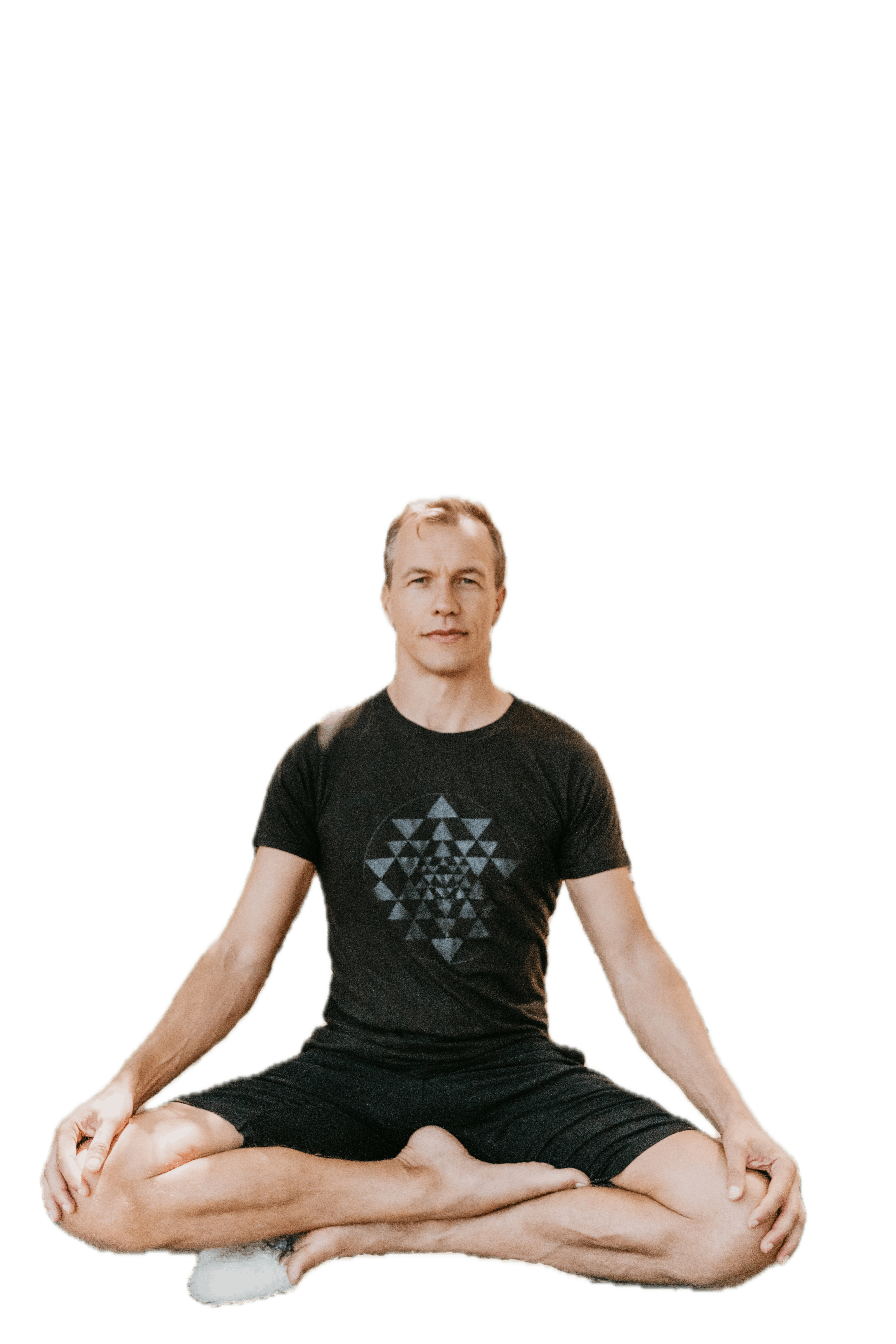
I'm Leon. I've practised breathwork since 2017, I've done more than 500 hours of breathwork training, including the Embody Breathwork 1-Year Instructor Programme in 2024, and I'm an ISTA Level 1 to 3 graduate. I'm also a Zero to Dangerous alumnus, the Flow Research Collective's training programme on flow. Much of my work is about helping people get out of their heads and notice what's actually happening, in their breathing, their posture and the room around them. Zero to Dangerous gave me a clear map of how flow works. Breathwork gives me the tools for the body side of it. I work one-to-one, online and in person, and I run group breathwork and men's circles, including Brothers in Breath in Shropshire. I spent years running companies and running on empty. I was good at my job and I couldn't feel much. The first time I did a breathwork session, something I'd been holding for decades finally moved. I've done a lot of training since, but that first session is still why I do this. I'm not a productivity guru and I won't sell you a morning routine. I'll help you notice what works for you, try small changes and keep the ones that stick. I'm a facilitator, not a therapist, and if something needs a different kind of support, I'll say so.
Questions about flow state coaching
Q: What do you mean by flow? A: The state where you're absorbed in what you're doing. The voice in your head goes quiet, time feels different, the effort drops away and you notice more. Most people know it from work, sport, music or making things. It comes and goes for everyone. Q: Can you teach me to get into flow whenever I want? A: No, and I'd be wary of anyone who says they can. What you can do is learn the cycle, set up the conditions that make flow more likely, and notice what gets in the way. Q: What's Zero to Dangerous? A: A training programme on flow run by the Flow Research Collective. I'm an alumnus. This coaching is my own, not theirs, but the flow cycle and the conditions for flow I work with come from that training. Q: Where does the breathwork come in? A: Breathing is one of the quickest ways to change how you feel in the moment. Slower breathing helps you let go and recover. Paying attention to your breath and body helps you tell useful pressure from too much. The practices are a few minutes long, not a full breathwork session. Q: Is this a productivity course? A: Not really. There are no apps or to-do systems. It's about attention, breathing and how you handle pressure, applied to the work you already do. Q: Do I need to have done breathwork before? A: No. The practices are short and simple, and I explain each one as you go. Q: I have ADHD or anxiety. Is this suitable? A: It may sit alongside other support, but it isn't a treatment for either and I'm not a clinician. Talk to me on the free call, and keep your GP or specialist in the loop. Q: How long does it take? A: That's agreed with you on your free call. You'll have something small to try from the first session. Q: Can I do this online? A: Yes, over Zoom. In person is possible when I'm in your area.
What clients say
Leon's unique blend of wisdom, presence, and practical guidance makes him exceptional. He embodies the rare balance of spiritual depth without the fluff, exactly what I needed.


Not sure where to start?
That's what the free call is for. Thirty minutes, no pressure, and you'll know whether this is for you.
I'm not a therapist, and this isn't therapy or a treatment for any condition.
Not ready yet? Sign up just below for a free 5-minute breathwork guide and one email a month with a practice to try.