

Someone asks you for something. A friend wants a favour, your manager wants you to pick up another project, a relative wants you for the whole weekend. Before you’ve said a word, part of you has already answered. Your shoulders go up a bit. You stop breathing for a second. You say “yes, sure” anyway, and three days later you’re resenting it.
Most people know that moment. Your body got there first, and you overruled it.
Why it’s quicker
Your nervous system is reading the room all the time, well before you’ve had a chance to think. It picks up tone of voice, how close someone’s standing, whether this feels like the last time something went badly. By the time a thought turns up, your body has often already responded. A tight stomach. A clenched jaw. A sudden urge to leave. Or the opposite, a loosening that tells you you’re fine here.
That doesn’t mean your body is always right. Sometimes it’s reacting to something from twenty years ago rather than what’s in front of you. But it’s information, and most people throw it away without looking at it.
How people lose touch with it
Plenty of the people I work with are very good at thinking. They can look at a situation from every angle. What they’ve stopped doing is checking in with the part of them that already had a view.
When you ignore the tight stomach for long enough, it gets quieter. Then one day you honestly don’t know what you want, and you end up deciding everything on paper, with pros and cons, and still feeling unsure. I wrote about one version of this in my field notes on the man who couldn’t put his phone down.
It comes back with practice. The practice is small.
One breath before yes
For the next week, before you say yes to anything that isn’t automatic, take one slow breath. In through your nose, then a slightly longer breath out. While you breathe out, ask yourself: what’s my body doing right now?
You’re not looking for anything dramatic. Maybe your shoulders have crept up. Maybe your stomach’s tight. Maybe there’s nothing much, and that’s an answer too. Then decide. You can still say yes. You’ll just know a bit more about what you’re saying yes to.
It helps to start with things that don’t matter much, like what to have for lunch or whether to go out tonight. It’s easier to hear your body when nothing big is riding on it. If slowing down makes you a bit dizzy, just breathe as you usually do.
Going further
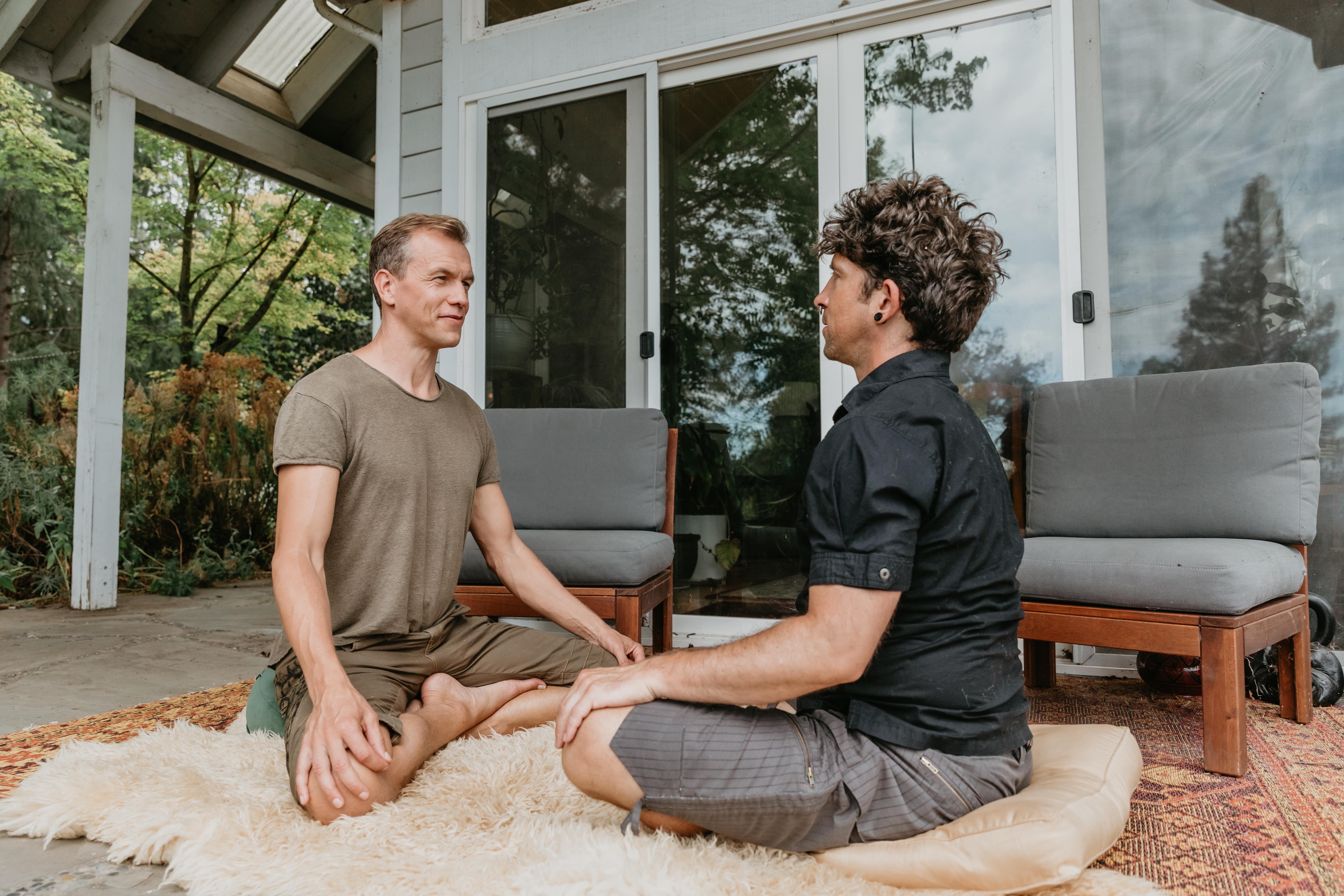
This is a lot of what I do in somatic coaching. You bring something real, like a decision, a relationship or a pattern at work, and as you talk I slow you down and ask where you feel it. Over time you get quicker at hearing it on your own.